

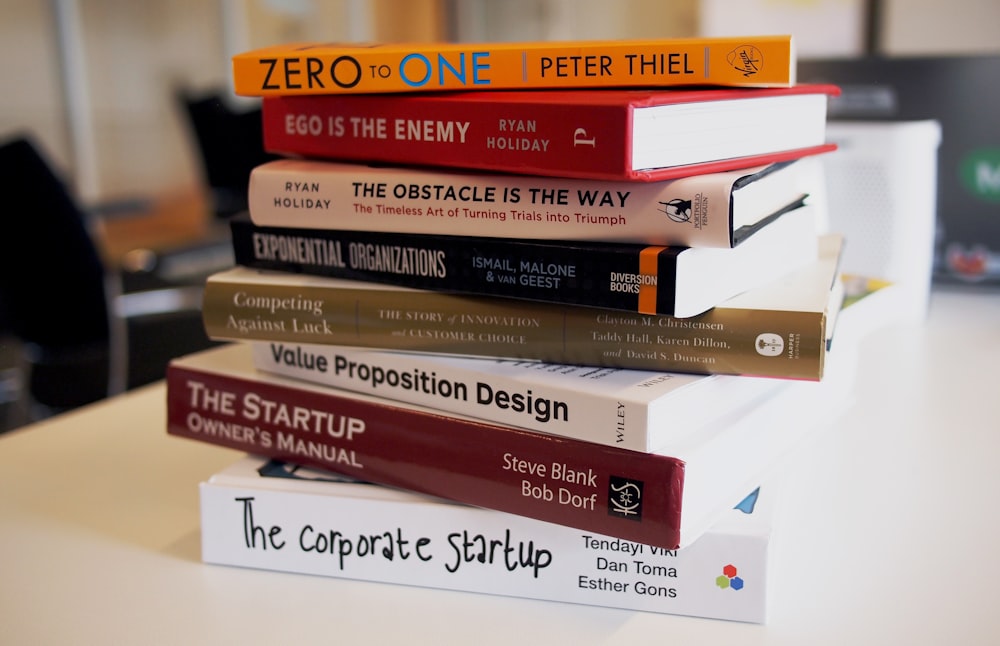
“Rediscovering the tactile satisfaction of turning paper pages away from blue-lit screens and endless scrolling.”
In our hyper-accelerated digital landscape, our relationship with the written word has fundamentally devolved from deep contemplation into restless, fragmented skimming. We consume thousands of micro-paragraphs each day through social feeds, newsletter snippets, and breaking notification banners, jumping from one dopamine-inducing stimulus to another. This ceaseless barrage has eroded our capacity for sustained cognitive focus, leaving our minds feeling scattered, restless, and constantly on edge. In this context, the deliberate act of slow reading has become an act of profound mental reclamation.
Slow reading is not merely about deciphering sentences at a measured pace; it is an intentional posture of immersive surrender to a single author’s voice, narrative world, and philosophical inquiry. When you open a physical book, there are no hyperlinks tempting you down algorithmic rabbit holes, no pop-up advertisements interrupting emotional climaxes, and no battery indicators reminding you of impending mortality. The physical book creates a closed, sacred cognitive container that allows your attention to sink deep beneath the turbulent surface of daily distractions.
The tactile dimensions of physical literature engage our senses in ways that glowing liquid-crystal displays cannot replicate. The subtle resistance of turning a deckle-edged paper page, the faint, comforting fragrance of vanillin emanating from aging wood pulp, and the shifting physical weight of the book as you progress from left to right provide intuitive spatial markers that anchor our comprehension and memory. Studies consistently demonstrate that readers retain narrative nuances and emotional resonance far more effectively from printed leaves than from digital screens.
Incorporating slow reading into your daily lifestyle requires creating intentional temporal and physical rituals. Designate an armchair in a quiet corner of your home as your dedicated reading sanctuary, free from charging cables and digital devices. Reserve twenty to thirty uninterrupted minutes every evening, perhaps accompanied by a gentle cup of chamomile tea or soft instrumental music, as a non-negotiable appointment with your chosen book. Allow yourself to pause, re-read a luminous sentence, and gaze out the window to ponder its deeper implications.
The literary choices you make within this practice should prioritize enduring depth over hurried volume. Rather than racing through dozens of trendy bestsellers simply to satisfy an arbitrary reading challenge quota, lean into dense classics, poetry collections, philosophical essays, or beautifully paced literary fiction that rewards close, attentive reading. When you treat reading as an intimate conversation across centuries rather than a competitive consumption metric, literature becomes an enduring fountain of empathy, intellectual vigor, and spiritual nourishment.
Ultimately, the art of slow reading teaches us how to inhabit our own consciousness with patience, wonder, and depth. It restores our fractured attention spans and reminds us that some of life’s most transformative revelations cannot be condensed into a brief summary or tweet. By returning to the quiet companionship of paper books, we slow down the furious tempo of modern existence and rediscover the timeless joy of losing ourselves in words crafted with care.
When we treat our choices with this quiet devotion, life slows down just enough to be experienced with clarity. We invite you to explore the related selections below or share your reflections directly with Sally Anderson.