

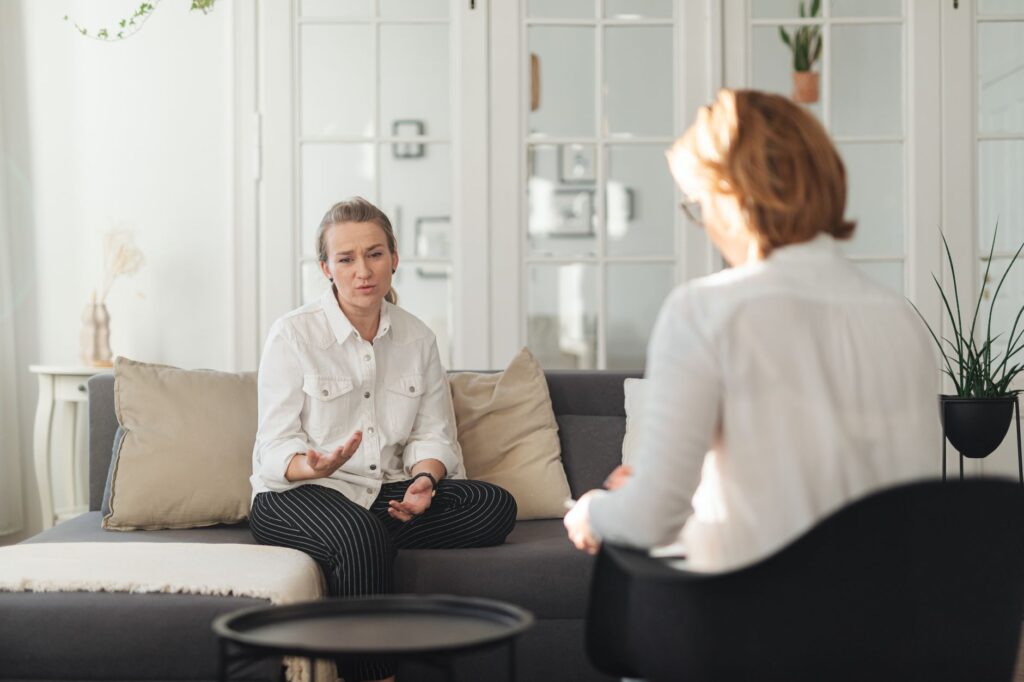
“Create a home that reflects who you really are. Learn how to edit your space, choose meaningful color, layer textures, and design lighting that transforms your rooms from styled to genuinely livable.”
Your home tells a story about who you are. It’s the first place you wake up and the last place you see before sleep. Yet many of us live in spaces that feel borrowed, temporary or styled according to rules we never agreed to. Creating a home that genuinely feels like yours isn’t about hiring an expensive designer or following rigid interior trends, it’s about understanding what makes you feel comfortable, happy and at peace.
Start With What Makes You Happy, Not What Looks Right
Design fatigue is real. We scroll through carefully curated interiors on social media and feel like our own homes don’t measure up. The truth is that a beautifully styled room that makes you anxious isn’t beautiful at all. Apartment Therapy understands this distinction, they celebrate homes that prioritize the people living in them over magazine aesthetics.
Before you buy anything, sit in your space and notice what actually brings you joy. Is it natural light? The ability to have friends over? A reading nook that’s yours alone? Once you identify what matters, every design decision becomes easier. You’re not trying to achieve a look; you’re trying to create an experience.
The Power of Editing Your Space
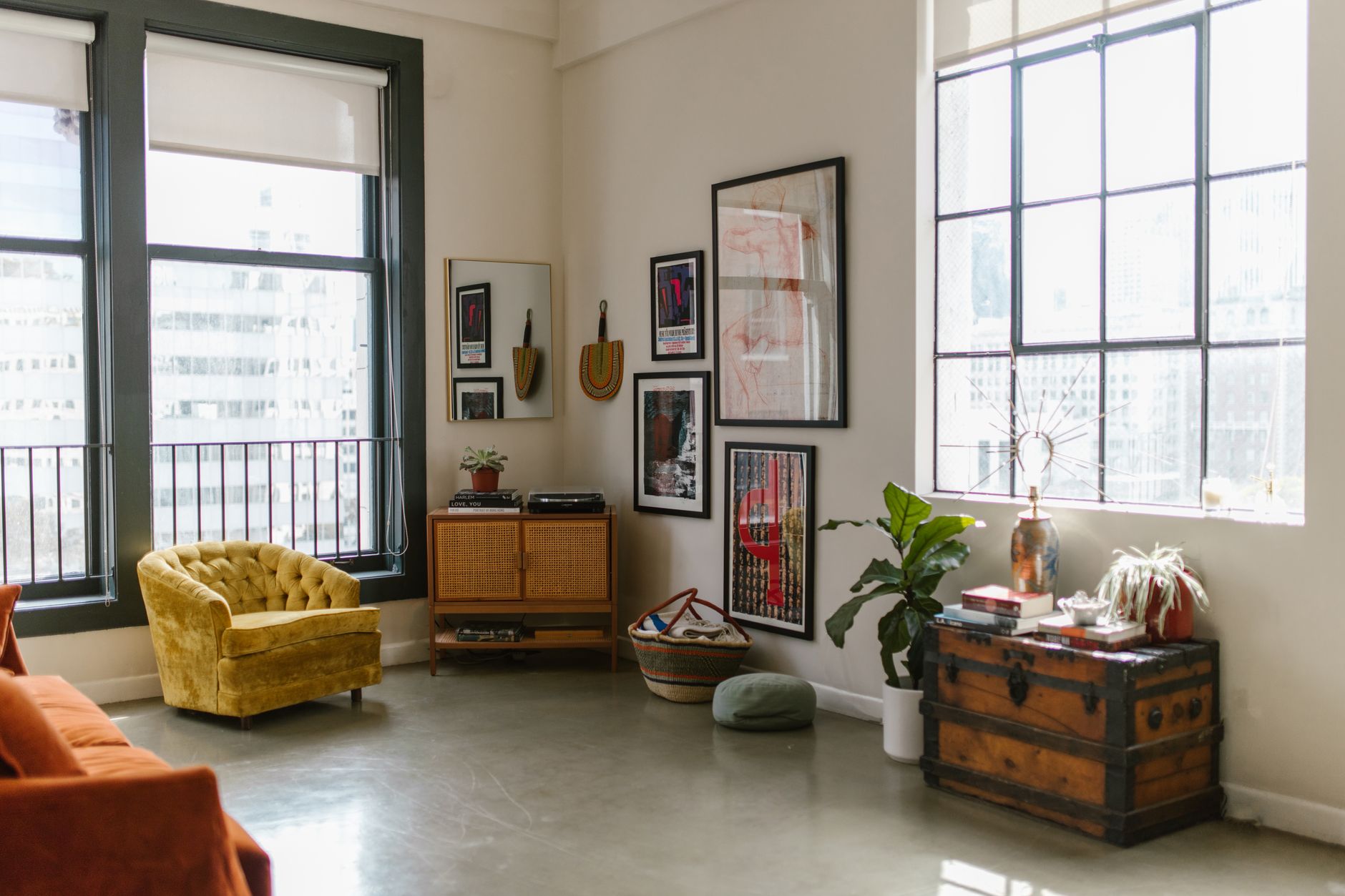
Designing a home doesn’t start with buying more things. It starts with curating what you already have. Walk through your space and honestly assess what serves you. That decorative item you’ve never liked? Gone. The clothes that don’t fit or make you feel good? Gone. The books you’ll never reread? Gone. This isn’t about minimalism as an aesthetic; it’s about surrounding yourself with things that genuinely add value to your daily life.
Once you’ve edited, you understand your actual needs. Maybe you realize you need more seating in your living room. Maybe you discover you have room for a hobby space you didn’t think was possible. Apartment Therapy frequently explores this editing process because it’s the foundation of intentional design. When you remove what doesn’t serve you, what remains becomes more meaningful.
Color as Your Design Shortcut
If you’re unsure where to start with design, color is your answer. Color affects mood instantly. A soft, warm palette creates relaxation. Bold jewel tones create drama and personality. Crisp neutrals create calm. You don’t need to be an expert to choose a color story for your home, you just need to know how you want to feel in your space.
Start with one room. Choose a wall color that makes you happy, then let other colors in the room respond to that choice. Add textiles, throw pillows, blankets, a rug, in complementary shades. Suddenly your space has personality and cohesion. Color is free to change whenever you want, making it the most forgiving design tool available. Experiment, adjust, find what feels right.
Layering Texture for Warmth and Depth
A room with only smooth, sleek surfaces feels cold and uninviting. Layering different textures, a soft rug, woven throws, natural wood, plants, soft lighting, creates a space that feels rich and inviting. Texture says “sit here, get comfortable, stay awhile.” This is what separates a styled room from a lived-in home.
Think about the textures you’re drawn to. Do you love the feel of linen? Leather? Wool? Woven natural fibers? Let these preferences guide your choices. A room with varied textures invites touch and engagement in a way that a perfectly smooth, minimal room often doesn’t. Apartment Therapy celebrates homes layered with texture and warmth because these are the homes people actually want to live in.
Lighting The Design Element Everyone Overlooks
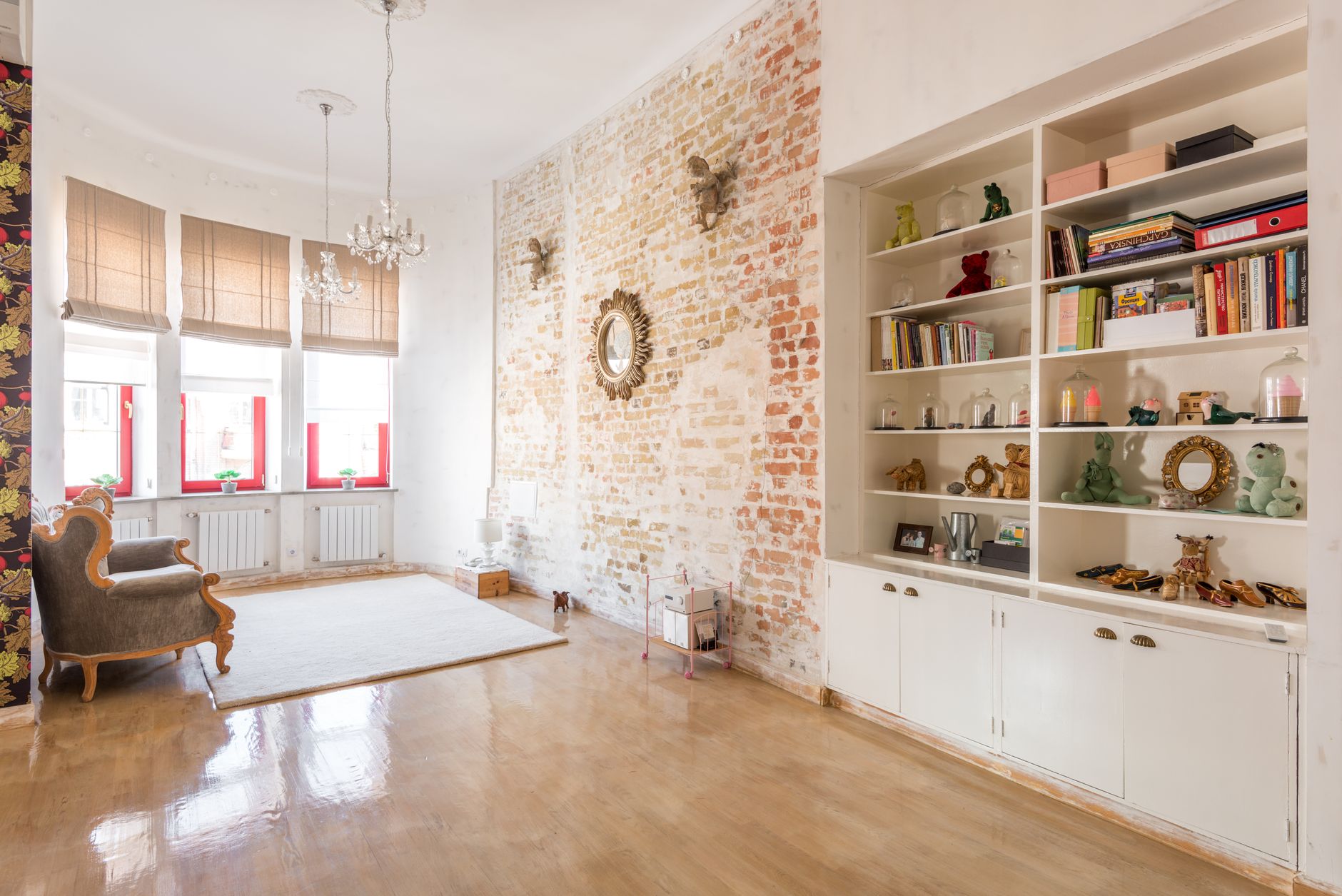
Lighting is arguably the most important design decision you can make, yet people often overlook it. Bad lighting can ruin even the most beautifully decorated room. Flat, overhead fluorescent light makes everything look harsh and unwelcoming. Creating layers of good lighting transforms how a room feels throughout the day and evening. Apartment Therapy
Key lighting strategies for every room include
- Ambient lighting, overhead or ceiling fixtures for overall room illumination
- Task lighting, focused light for reading, cooking or working
- Accent lighting, wall sconces or lamps to draw attention to specific areas
- Natural light optimization, maximizing daylight through windows and skylights
- Warm white bulbs at 2700K for relaxing spaces, cool white for task areas
Assess your natural light first. Is it abundant or limited? Adjust your design accordingly. Lighting design is where you can have the biggest impact for relatively little investment.
Living With Your Design Choices
The best designed home is one you’ll actually live in comfortably for years. This means being honest about your lifestyle. If you have kids and pets, pristine white furniture isn’t realistic. If you work from home, functionality matters more than Instagram appeal. If you love cooking, your kitchen layout impacts your daily quality of life.
Your design choices need to work for the life you actually live, not the life you think you should live. A room with a few pieces you truly love, maintained in a way that feels sustainable, will always feel better than a space you’re constantly managing to keep perfect. Home is where you can relax and be yourself, design your space accordingly.
Wenn wir unsere Entscheidungen mit dieser stillen Hingabe behandeln, verlangsamt sich das Leben gerade genug, um es mit Klarheit zu erleben. Wir laden Sie ein, die zugehörigen Auswahl unten zu erkunden oder teilen Sie Ihre Gedanken direkt mit Sally Anderson