

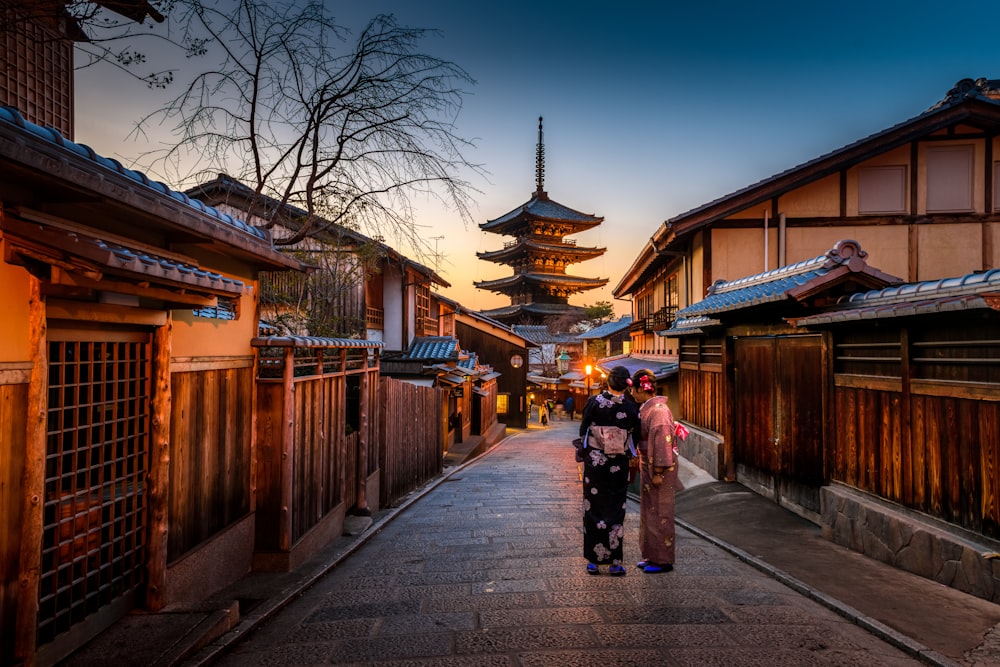
“Exploring hidden temple courtyards where meticulously raked gravel and verdant moss invite quiet self-reflection.”
In the historic western districts of Kyoto, where misty mountains meet quiet temple compounds, exists an architectural tradition dedicated entirely to the sublime power of subtraction. Kyoto’s zen temple gardens, particularly the karesansui dry landscape gardens and ancient moss sanctuaries, represent one of humanity’s highest achievements in landscape design.
Consider the legendary dry landscape garden of Ryoan-ji, where fifteen carefully chosen boulders rest within a courtyard of meticulously raked white granite gravel. The stones are positioned with such subtle mathematical precision that from whatever vantage point one sits upon the wooden temple veranda, at least one stone remains hidden from view. This deliberate composition is a poignant reminder of our human limitations.
In contrasting harmony to dry rock gardens, the verdant grounds of Saiho-ji, affectionately known as Kokedera or the Moss Temple, envelop travelers in a lush, living tapestry of emerald green. Over one hundred and twenty varieties of velvet moss carpet the forest floor, gently swallowing fallen autumn leaves, stone lanterns, and winding wooden walkways.
Visiting these sanctuary spaces requires an intentional shift in inner pace. Visitors remove their outdoor shoes at the temple entrance, stepping onto cool, woven tatami mats that quiet every footstep. Sitting quietly upon the polished wooden engawa veranda overlooking a stone garden, you begin to notice micro-details that would otherwise be missed.
The spatial lessons embedded within Kyoto’s gardens hold timeless relevance for our cluttered modern environments. By employing intentional negative space (yohaku-no-bi), these landscape masters demonstrate that an empty canvas does not signify absence, but rather provides the vital breathing room required for focal points to radiate their innate beauty.
A pilgrimage through Kyoto’s quiet temple gardens is ultimately an inward journey of self-discovery and mental clarity. As you watch morning mist rise over cedar forests and listen to the rhythmic clack of a bamboo water pipe in a stone basin, the superficial anxieties of daily life naturally evaporate.
Amikor a választásainkat ezzel a csendes odaadással kezeljük, az élet éppen annyira lassul, hogy tisztasággal tudjuk megtapasztalni. Meghívunk titeket, hogy fedezzétek fel az alábbi kapcsolódó válogatást, vagy osszátok meg köz